FIMS News
Contact Information
FIMS Communications
Becky Blue
Email
519-661-2111x88493
FIMS & Nursing Building
Rm 2060C
From classroom to continent: information professionals tackle AI together
Aug 31, 2026
By Francine Lee, FIMS Communications
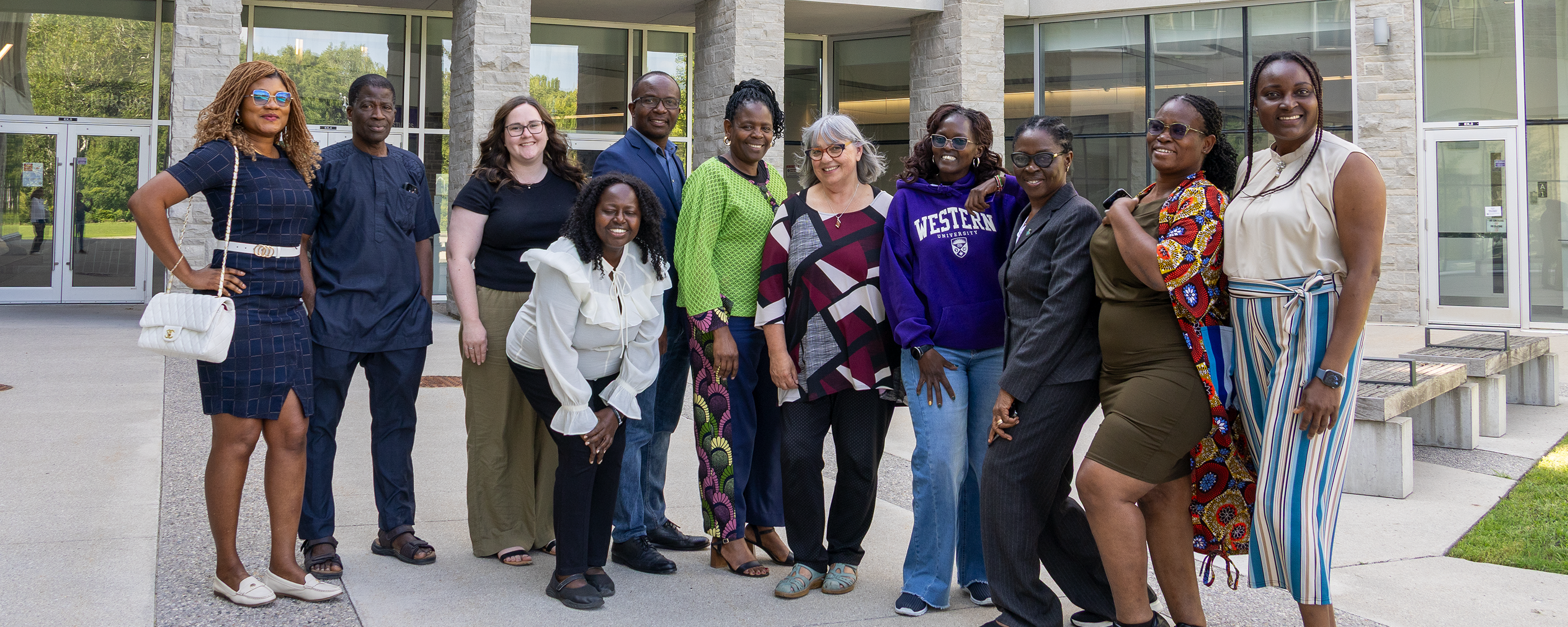
Gathered in a classroom at Western University, listening keenly, taking notes and preparing questions, are eight librarians, information and data specialists from five countries across Africa and from Canada.
This is one of dozens of moments like it that have unfolded over the course of the two-week Faculty of Information and Media Studies (FIMS) Summer School – Generative AI for Information Professionals. These are professionals accustomed to helping others navigate information. Now, they’re helping one another navigate a technology that is unsettling almost everything they thought they knew about their own fields: artificial intelligence.
Helen Emasealu, a participant from Nigeria, said the group recognizes the urgency of learning more about generative AI.
“From the presentations we’ve had, it is clear that almost everybody is using it. It has come to stay, and we must integrate it, but ethically,” she said.
The purpose of the Summer School is to bring library, information and data science professionals together to exchange knowledge, build new skills, and forge connections they can carry back to their home institutions and communities.
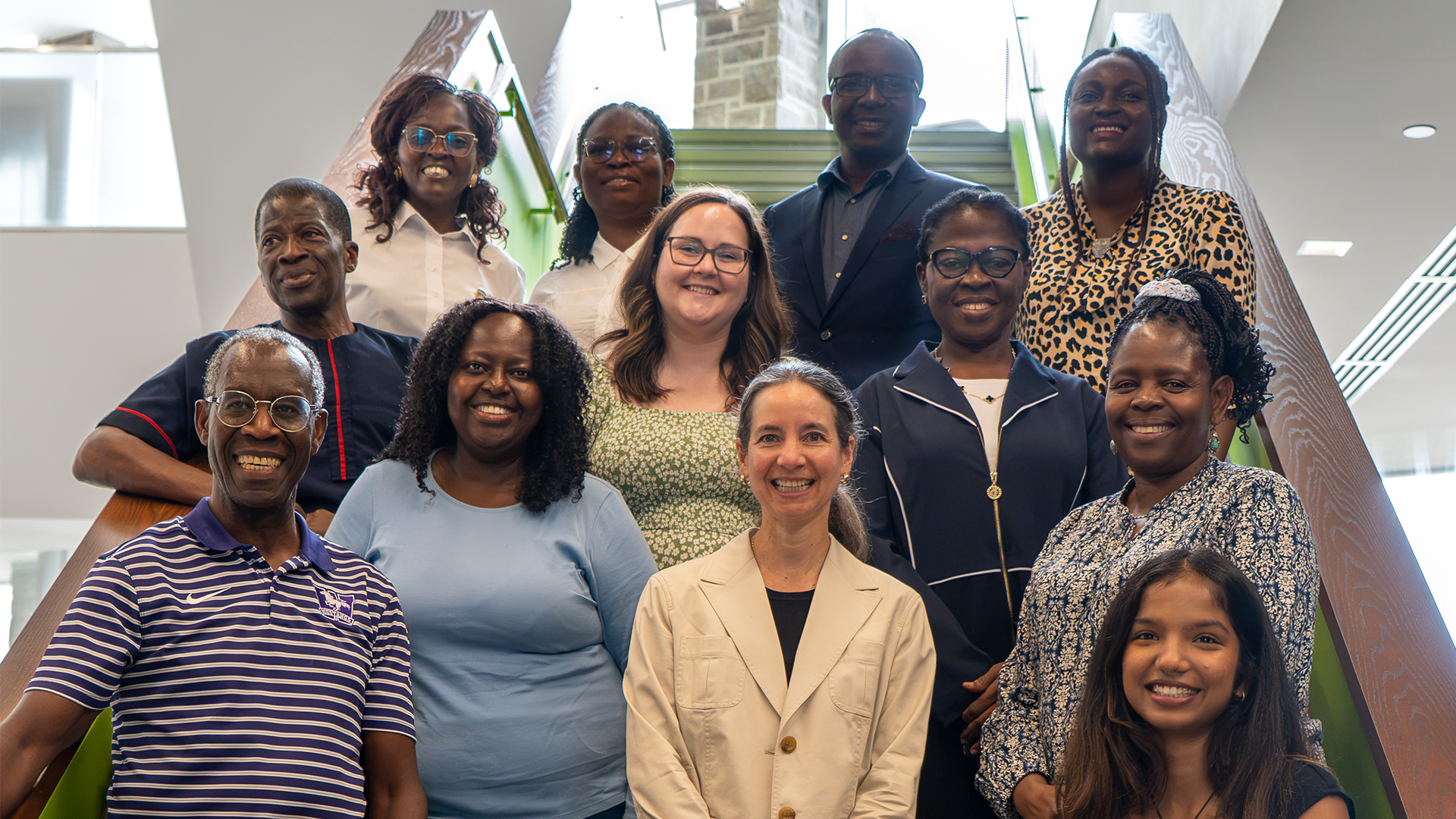
Now in its fourth year and coordinated by FIMS professor Isola Ajiferuke at Western University, the program focuses each year on the practices and emerging technologies that will shape the future of library, information and data science, with participants bringing their own expertise and experiences to the conversation.
“When we started with bibliometrics and research impact in the first year of the Summer School, many universities in North America already had research-impact librarians, and that was missing in Africa,” said Ajiferuke. “Then data science became a priority in the second year. And from 2022, generative AI became the thing everyone was scrambling to address. So, we felt we wanted to do something current.”
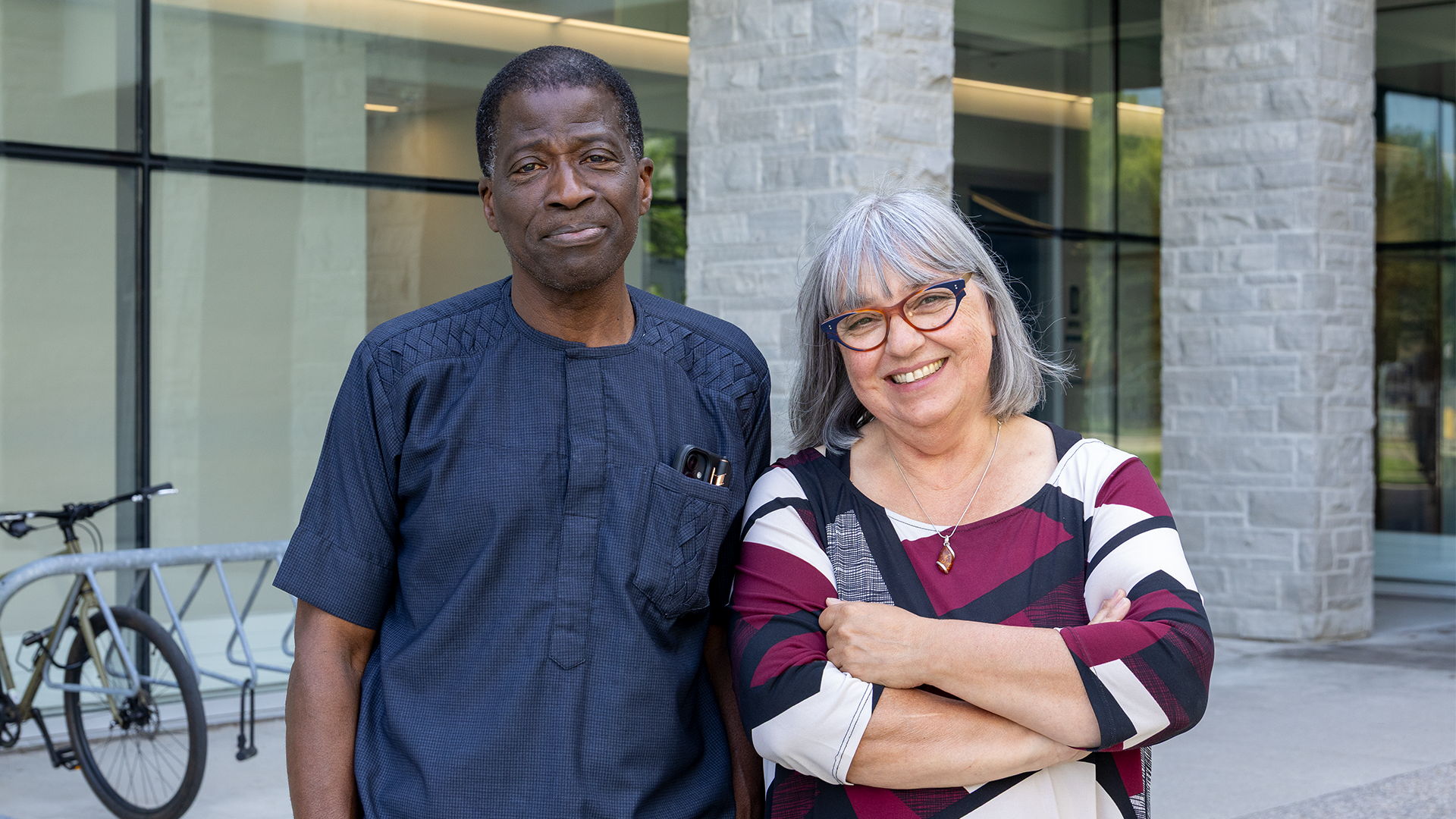
This year’s cohort is exploring how generative AI is reshaping teaching, learning, research and public life, along with the ethics surrounding its use.
For Kondwani Wella, the knowledge exchanged at the Summer School has potential applications well beyond his own university. Malawi University of Science and Technology is the only one in that country with a dedicated AI research centre, and Wella sees an opportunity to apply what he’s learned to conversations about AI taking place at the national level. He feels the weight of that responsibility.
He described reading the African Union’s new AI strategy, which names media and information literacy as a key enabler of AI use across the continent and calls for training government officials and the public in ethical AI use.
"I see myself, with the knowledge that I have acquired from this Summer School, contributing to the training of government officials and policy makers in the ethical use of artificial intelligence, and also sensitizing the general public."
Kondwani Wella, PhD
University Librarian, Malawi University of Science and Technology
Wella isn't alone in thinking about what happens after the Summer School ends. Across the cohort, participants are already identifying ways to put what they've learned into practice at home.
Everlyn Anduvare, from Karatina University, is one of them. She plans to add an AI component to the mandatory information literacy course she teaches incoming first-year students, as soon as this September, and to extend that training to the 19 staff who support her university’s more than 15,000 students. “You must empower the information professionals first, just as we do with information literacy,” she said. “If you don’t build this from the foundation, from prompt engineering all the way to a level where they are competent, it becomes difficult to support the students.”
Anduvare's plans aren't hypothetical. She first attended the program in 2023, when its focus was bibliometrics, and went home to train her reference and research staff one-on-one, training that she says has already lifted her university’s standing in global rankings.
The knowledge participants take home isn’t the Summer School’s only lasting outcome. So are the relationships they build with one another. For returning participants, some of those relationships have already extended well beyond their initial participation in the Summer School.
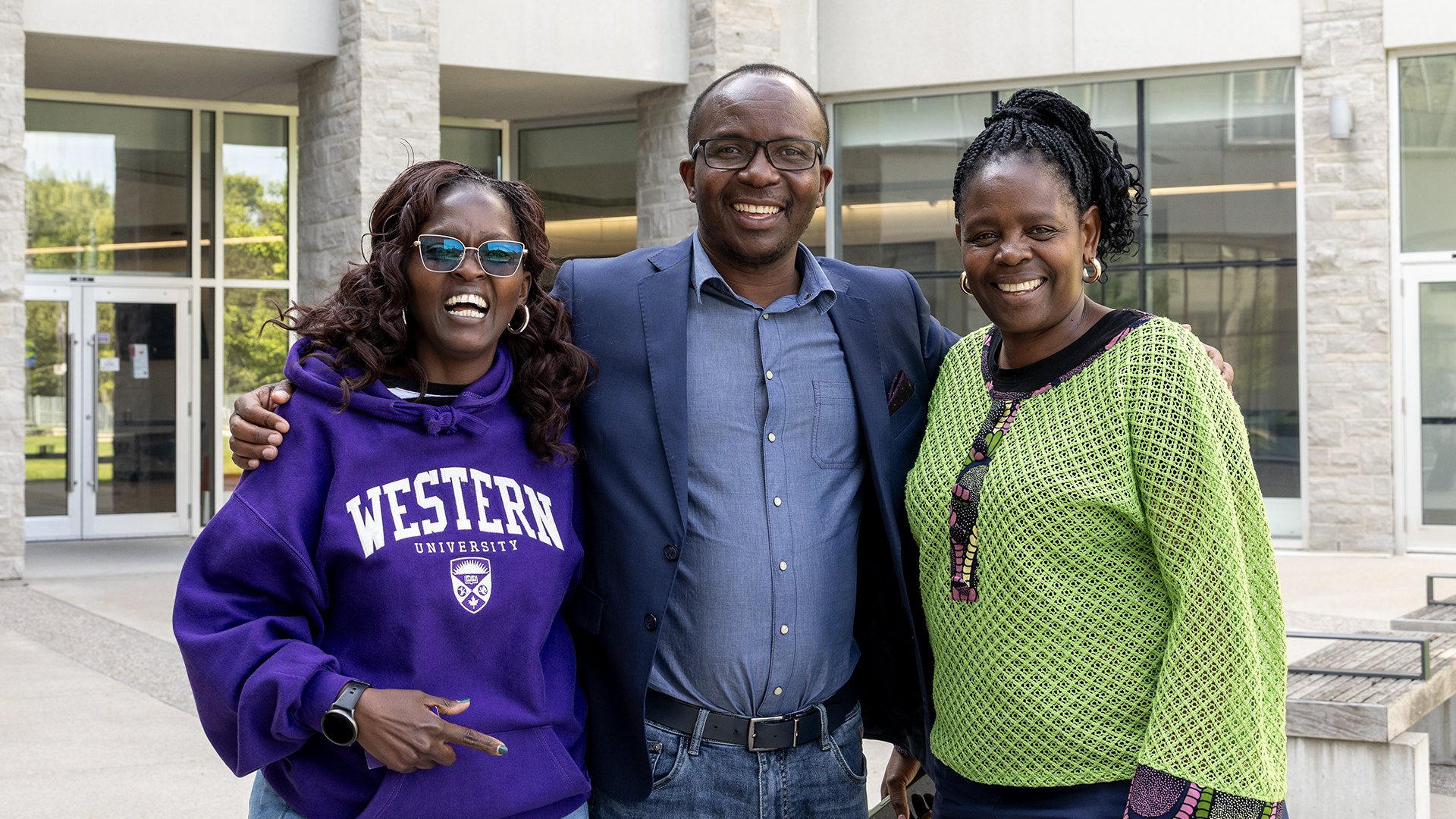
Wella, who is also attending for the second time, has built an ongoing working relationship with another returnee – Margaret Atsango, a research librarian at the University of the Witwatersrand in South Africa. They attended the UbuntuNet Alliance Conference and the Open Science Workshop together in Kampala in 2023.
This year, Wella has discussed a new collaboration with participant Catherine Asamoah of Ghana. “Why can’t we do a South-to-South collaboration between her university and mine?” he said. “It’s a great opportunity for us African librarians to know each other’s expertise, so when we go back, we collaborate more.”
Atsango acknowledges the importance of her collaboration with Wella in bringing visibility to research work that is ongoing at universities in Africa. “You'll find that a lot of our research is not available to people in the global North. And that is now making us think that there needs to be a platform where we can make it possible for the research emanating from the global South to be visible. And one way of doing that is this collaboration.”
That sense of responsibility, shared across North and South, is what Wella captured at the Summer School’s closing ceremony on August 21: “The true measure of what Western University has built is not simply a curriculum delivered once and forgotten, but a living network of professionals who continue to learn from and lean on one another long after the Summer School itself has ended. What began [for him] in 2023 as a one-week Summer School has become an enduring family of professionals, stretching across borders and institutions.”
The 2026 Faculty of Information and Media Studies (FIMS) Summer School: Generative AI for Information Professionals was supported by funding from Western University.