FIMS News
Contact Information
FIMS Communications
Becky Blue
Email
519-661-2111x88493
FIMS & Nursing Building
Rm 2060C
Ways to Give: Support our aspiring journalists
June 2025
For MMJC alumna Kendra Seguin (MMJC’24), receiving a stipend to help cover her finances during an unpaid professional journalism internship at CBC London in the summer of 2024 may have been the difference between whether or not she could afford to pursue the experience at all.
Though she says there were other factors to consider, the money made a big difference.
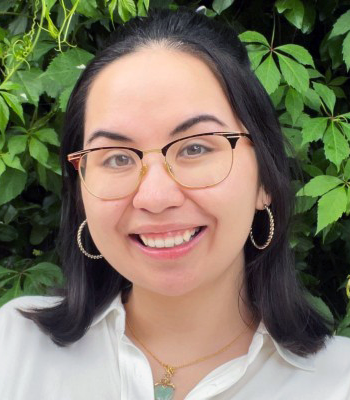
“There are several factors that went into my decision to take my internship at CBC London, but I truly do not think that I would have chosen this position as easily if I had not been offered a stipend,” explains Kendra.
When Western’s original Master of Arts in Journalism program evolved in 2015 to include professional communications in the curriculum, industry differences in approaches to paid or unpaid student internships came to the forefront. At Western, completing a minimum 4-week internship is a requirement to graduate. Students who want to do a communications-oriented internship are often able to find paid positions, whereas students who want to take on journalism internships are rarely able to find paid opportunities.
This is reflective of a longstanding tradition in the journalism industry, no doubt largely budget-driven in the present – of young, aspiring journalists accepting that they will need to do some unpaid labour in order to gain necessary experience and to get a foot in the door at news organizations. There are some notable exceptions, such as the CBC’s News Summer Scholarship program, which pays graduating students $23/hr. for full-time work across a four-month period, but many students must rely on their own financial resources if they want to gain essential journalism experience.
“From an ethical point of view, I think it is important for students to be paid for the work they do, and from a practical point of view, doing a part-time or full-time unpaid internship means it's more challenging for students to work the jobs needed to pay their bills. A stipend helps to balance those things out,” says Seguin.
Seguin, whose internship turned into a full-time reporter job at CBC London after she graduated, believes students who receive no funding may find themselves having to work a second job to cover their living expenses, which in turn makes it difficult to get the most out of the internship experience.
“If I wasn't well-rested, focused and dedicated to my internship, who knows if I would have made the good impression that led me to the job I now have with the office today?”
Though some have characterized journalism as facing an existential threat, at FIMS we believe that well-trained journalists and professional journalism jobs will remain important moving forward. The industry is changing, but the skills taught in journalism schools, such as evidence-based storytelling, sourcing and assessing information, and professional accountability are now more important than ever, as is the role that journalism plays in protecting a healthy democracy.
How to support students
Give to the FIMS Journalism Fund. Your contribution will open doors for the next generation of aspiring journalists.
To discuss your philanthropic giving, contact Susannah Gergich, FIMS Development Officer, at 519-661-2111 ext. 86318 or sgergic@uwo.ca.
FIMS remains committed to ensuring that students interested in journalism can access professional internships. Since 2022, FIMS has provided students undertaking unpaid internships with a stipend of up to $1250.00 for four weeks of work. It is intended to offset some of the living and travel expenses incurred when taking on a position that may be in a different city or area.
Helping more students pursue professional training in journalism is a critical goal. And a little help can go a long way.
“Journalism has been my passion since I was in sixth grade. The tricky thing for people who want to pursue journalism as a career is that getting your foot in the door can be very difficult, and more often than not, it means doing unpaid work,” says Seguin.
“Journalism is such an important field, but the pathway to get into it can be really discouraging. That's one reason why some people leave. A stipend helps students who really want to pursue that path not have to sacrifice their passion to make ends meet.”
-----
If you’re interested in helping us support students who participate in journalism and other unpaid internships, please give to the FIMS Journalism Fund. Your contribution will open doors for the next generation of aspiring journalists.
To discuss your philanthropic giving, contact Susannah Gergich, FIMS Development Officer, at 519-661-2111 ext. 86318 or sgergic@uwo.ca.