Search Website
Young Indigenous storytellers explore new avenues for expression through film
Becky Horst - FIMS Communications
September 23, 2026
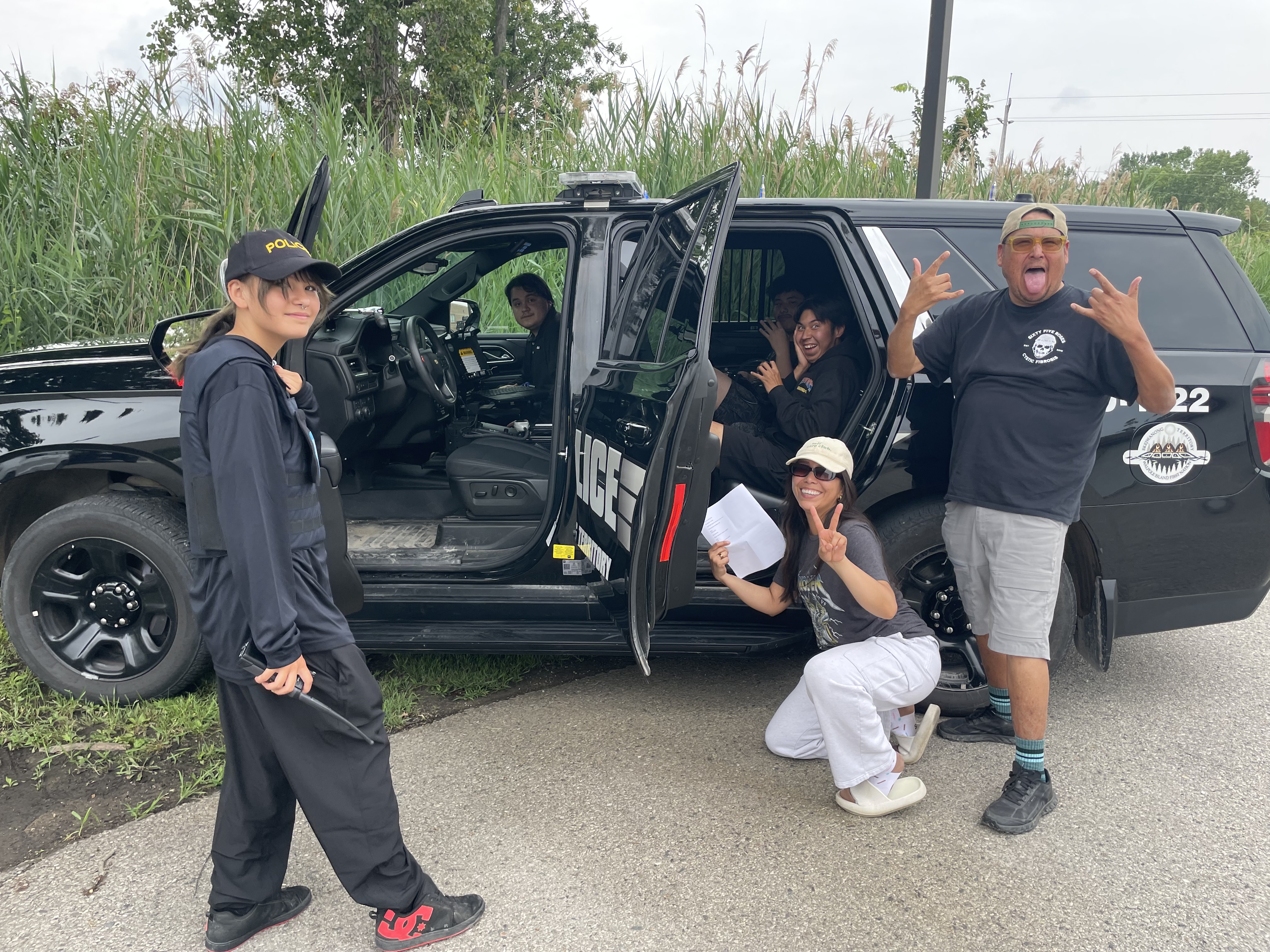
Eight young people from Walpole Island First Nation stepped behind the camera this summer to explore filmmaking, storytelling and creative collaboration.
Led by Sally Kewayosh, a filmmaker and assistant professor in Western University’s Faculty of Information and Media Studies, the Walpole Island Youth Film Production Workshop welcomed participants between the ages of 16 and 25.
Kewayosh and fellow mentors Lydell Mitchell, Brooke Swaney, Cody Lightning, Derek Sands and Larissa Wrightman worked with the Walpole Island Employment and Training Department to create a space where participants could develop their ideas, experiment with filmmaking equipment and bring their stories to the screen.
For Kewayosh, the workshop represented an opportunity to return to her home community and offer young people something she would have valued at the beginning of her own filmmaking journey: guidance from someone who understood where she came from.
In this conversation, Kewayosh reflects on returning to Walpole Island, the importance of Indigenous mentorship and what becomes possible when young storytellers take ownership of the camera and narrative.
What inspired you to create the workshop, and what did you hope young people would take away from it?
Ever since leaving Canada to pursue my film production degree—and career—at New York University, it’s always been my plan to return home and share the knowledge I’ve gathered. When I was a new adult and discovering my passion for storytelling and film, I had no idea where to start. I’m the type of person who needs a bit of structure when learning something new and for me, film school was the answer. However, if there had been a person who was from where I’m from, available and willing to show me the ropes, it would have made all the difference for me.
My main objective was to present the participants with another option for expression and creativity. My community has many talented people and I wanted to provide another example of what is attainable. I wanted to see the participants broaden their creative skills and, with that, their confidence. I believe we were successful on both counts!
What did participants experience during the workshop?
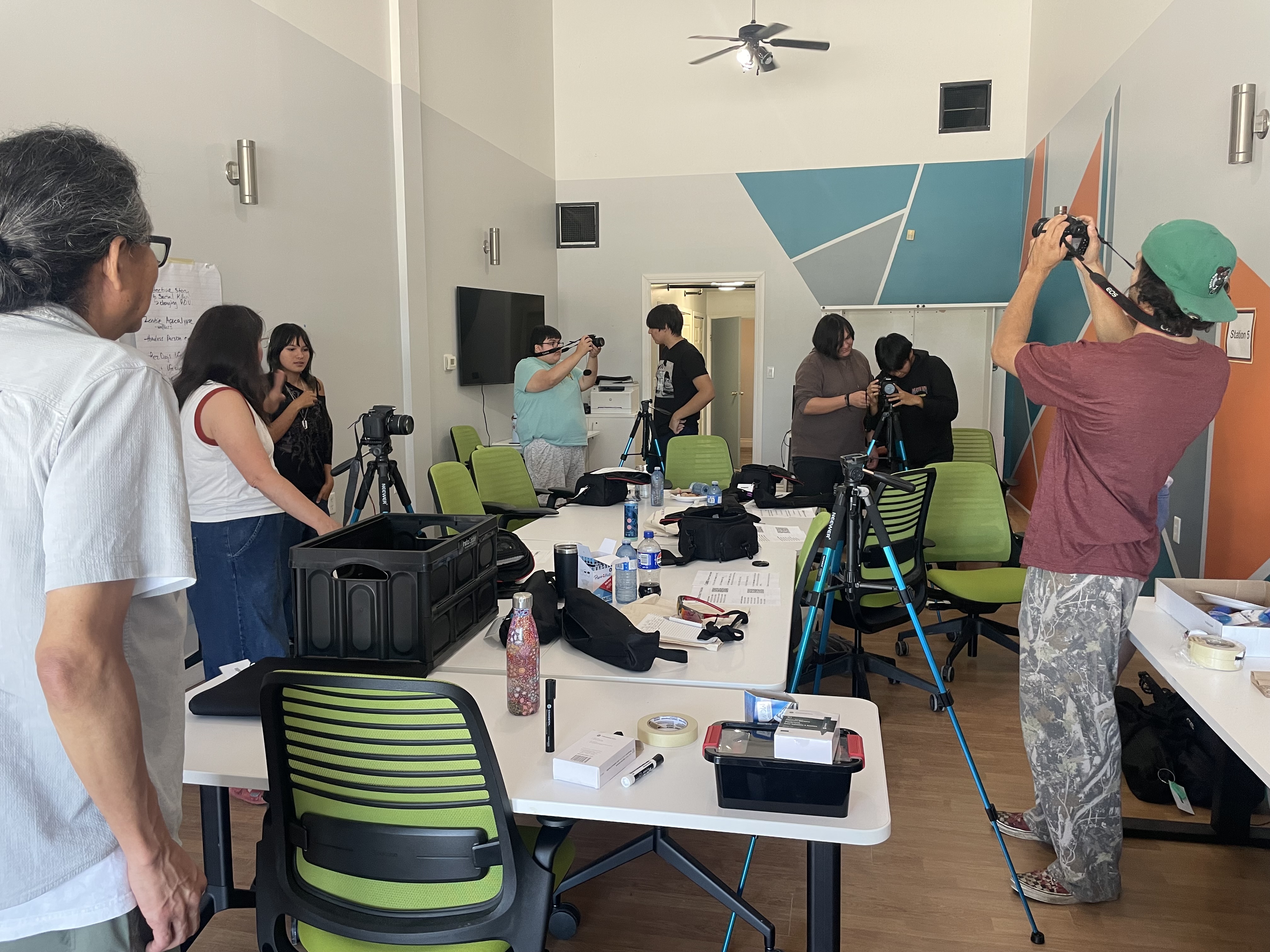
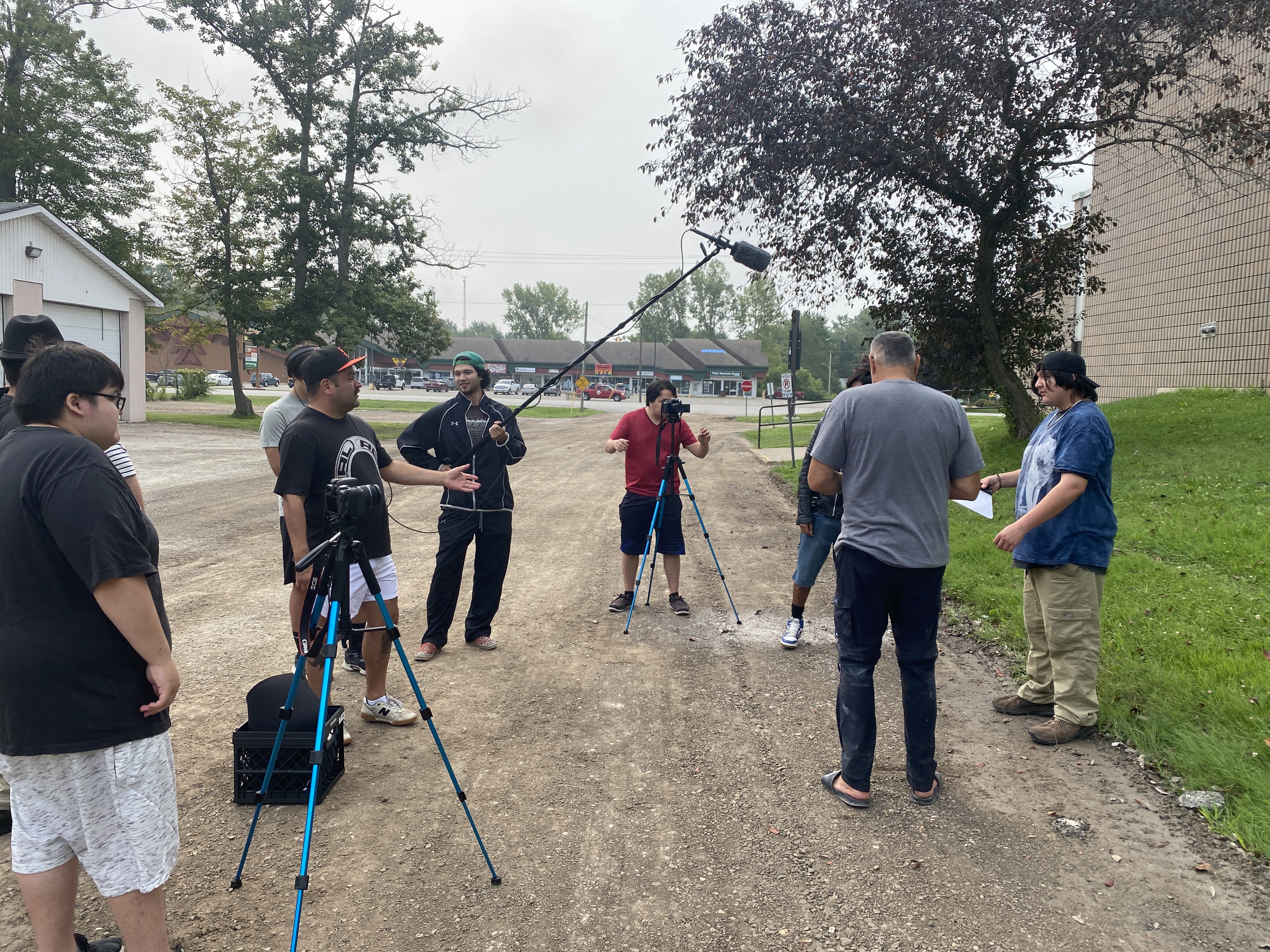
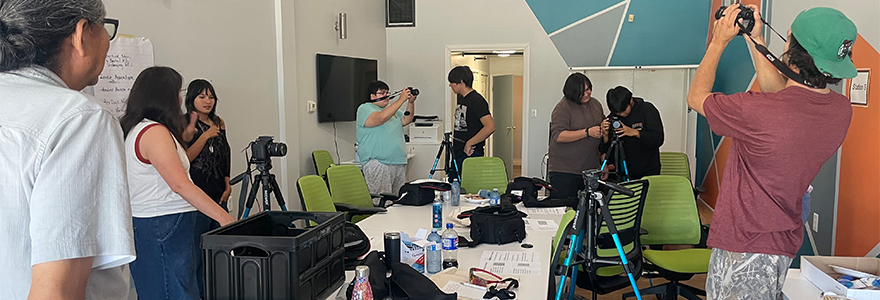
The workshop was for the youth of Walpole Island, ages 16 to 25. The other mentors and I—Brooke Swaney, Lydell Mitchell, Cody Lightning, Larissa Wrightman and Derek Sands—worked with the Employment and Training team at Walpole to create a space for the participants to explore storytelling and experiment with cameras and sound gear.
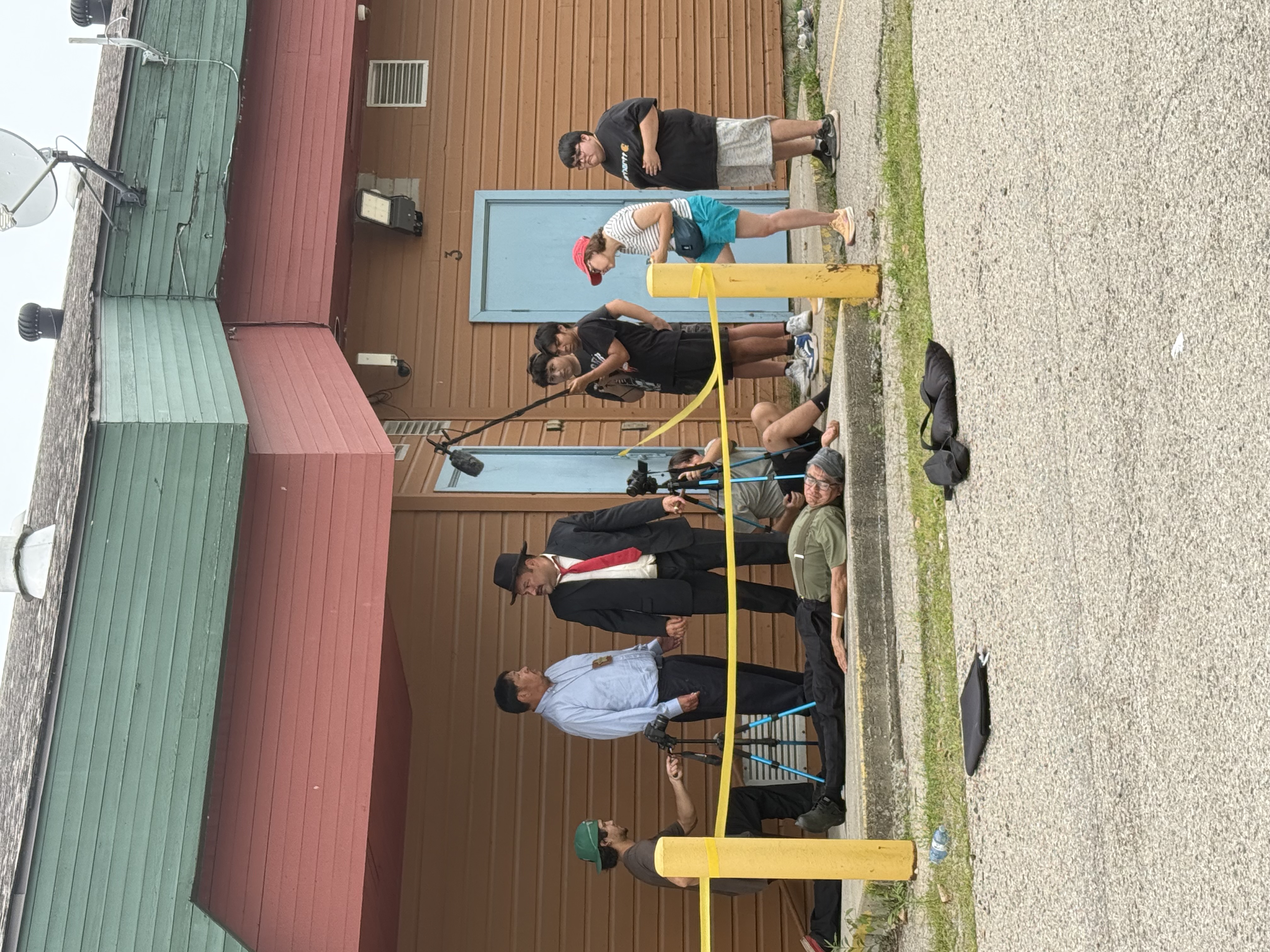
The participants worked with us to flesh out their ideas and get them ready to film. They learned how to operate the Canon Rebel cameras and record sound on the Zoom H6 sound recorders. We also introduced them to editing using Premiere Pro.
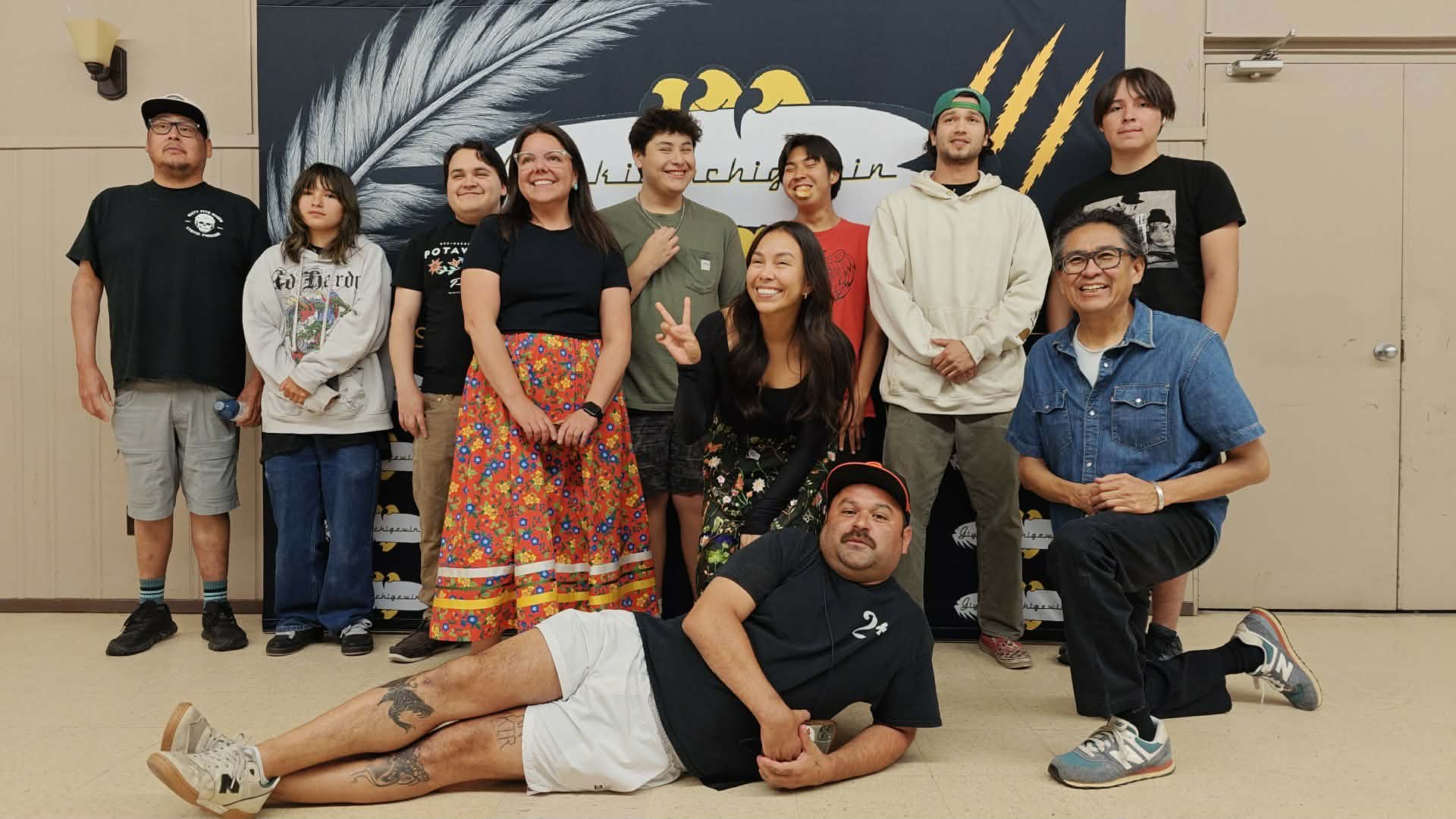
At the end of the workshop, we hosted a community film screening. The participants all spoke to the audience about their experience and received certificates of completion. It was a wonderful experience for me and, more importantly, for them!
Why are mentorship and representation so important for young Indigenous filmmakers?
I think it all comes back to representation. Even if you’re not a filmmaker or storyteller, seeing ourselves realistically on screen can foster a larger sense of belonging and not just in our home communities.
For me, the catalyst for my filmmaking journey was watching Shelley Niro’s film, Honey Moccasin, 25 years ago! I had no idea that Indigenous women could make films that weren’t documentaries. Seeing someone else do it, and cast Indigenous actors, was truly life-changing.
That being said, this industry is incredibly tough to navigate—I still have trouble!—so if I can reach back and offer a hand to help, I’m going to do it every time. The mentors I invited to help are all community-minded and provide access for those following us on their journeys.
What did the participants bring to the filmmaking process and was there a moment when you saw their confidence grow?
They all came ready to create! Once we decided which stories to produce, they were all incredibly motivated to brainstorm and get the ideas down on paper. We also had a good number of participants excited to act in the films! They were all team players and expanded their skills through creative collaboration.
There were a couple of moments, but I’ll share one from the final screening. Cody Lightning is a gregarious filmmaker and actor, something the participants learned to expect and embrace. At the final screening, we had a few of the students attempt to be shy—not on Cody’s watch! He playfully invited them to the front of the room to share their experience in the workshop and they all spoke confidently. It was lovely to see them seize the moment.
What does it mean for young Indigenous storytellers to have ownership over how their communities and experiences are represented?
It means everything. One phrase I heard from Sara Mai Chitty when I first came back to London and started teaching here at Western was, “Nothing about us without us.”
No one wants to be misrepresented, especially if there is a long history of that happening.
What did you take away from the workshop, and what do you hope it will lead to?
I always enjoy working with youth, especially in my home community. I came away from the workshop with renewed passion for my creative practice. The participants can make a film now and collaborate with other artists!
I want to do this workshop every summer! The other Walpole Island filmmakers and I want to continue the mentorship and collaboration with our projects in the future.